A modern data warehouse is a cloud-hosted analytical data repository, with decoupled storage and compute, that lets you query large volumes of structured data without depending on physical servers sized by hand. In practice, when people talk about a modern data warehouse today, they mean three platforms: Google BigQuery, Snowflake and Amazon Redshift.
The difference between a data warehouse project that works and one that becomes a headache rarely lies in the brand chosen. It lies in the engineering behind the implementation: data modeling, ingestion pipelines, cost policy and governance. This guide explains what changes between the three platforms and, more importantly, which criteria really matter in the decision.
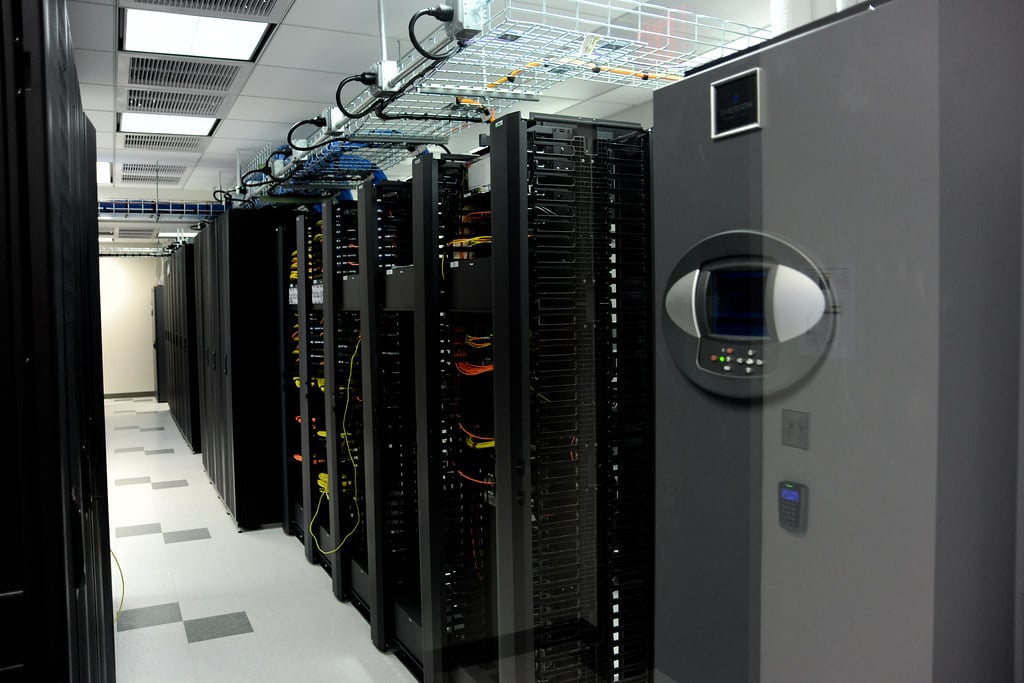
What is a data warehouse, in one sentence?
A data warehouse is a central repository that stores data already processed, structured and optimized for analytical queries, letting you combine information from different systems (ERP, CRM, spreadsheets, product) into a single source of truth for reports and dashboards.
That sets it apart from a data lake, which stores raw data with no predefined structure. If your company is unsure which of the two makes more sense, read our complementary article on data lake vs data warehouse.
Why did the on-premises data warehouse lose ground?
The on-premises data warehouse lost ground because it requires upfront investment in hardware, a dedicated infrastructure team and capacity sizing that is always a bet: either the company pays for idle capacity or runs out of capacity at peak times.
Cloud data warehouses solve this by separating storage from compute. The company pays for the space it uses and the processing it runs, without having to predict years in advance how much it will grow. This elasticity, plus the elimination of physical maintenance costs, is why practically every new data warehouse implementation today starts in the cloud.
What are the three major cloud data warehouse platforms?
BigQuery, Snowflake and Redshift solve the same problem (storing and querying structured data at scale) with different architectures and pricing models. Understanding this difference avoids decisions based only on brand familiarity.
BigQuery: Google Cloud’s serverless model
BigQuery is fully serverless: there is no cluster to provision or size; Google allocates compute automatically based on query complexity. This reduces the need for a dedicated infrastructure administrator.
The default pricing model is per data scanned (on-demand), with a reference rate published by Google Cloud, plus a free monthly tier for processing and storage. For more predictable workloads, BigQuery also offers a capacity model (Editions), billed per processing slot rather than per query. It makes sense for companies already in the Google Cloud ecosystem (Google Ads, GA4, Looker Studio) that want less operational effort.
Snowflake: full separation of storage and compute
Snowflake was built from the start on a shared storage architecture with multiple independent compute clusters (“virtual warehouses”). This lets you run a heavy ETL workload on one cluster and analyst queries on another at the same time, without one blocking the other.
Billing is separate: storage at a rate per volume and compute in credits, consumed per second while the warehouse is running. It is the most cloud-agnostic platform, since it runs on AWS, Azure or Google Cloud, which makes it attractive for companies with a multicloud strategy or that do not want to depend on a single provider.
Redshift: the natural option for companies already in the AWS ecosystem
Redshift started with manually provisioned clusters (the customer chooses node type and count), a model that still exists and is billed per hour, with discounts for long-term reservations. Since 2022, Redshift Serverless has matured and now offers automatic scaling similar to BigQuery, charging for consumed compute capacity (RPUs) with no cost during idle periods.
Where Redshift stands out is native integration with the rest of the AWS ecosystem (S3, Glue, QuickSight, Kinesis). For companies that already concentrate their data stack on AWS, integration friction is lower.
Beyond price: which criteria really matter?
The price per terabyte scanned or per compute credit is just one variable, and usually the easiest to compare in a spreadsheet. The criteria that decide whether the project succeeds are different:
- Where the source data already lives. If operations already run on GCP, AWS or Azure, choosing that provider’s native platform reduces data transfer (egress) costs and simplifies access permissions.
- Workload profile. Sporadic, unpredictable queries favor pure serverless models (BigQuery on-demand, Redshift Serverless). Constant, predictable workloads benefit from reserved capacity (Snowflake with sized warehouses, discounted provisioned Redshift).
- Need for multicloud. Companies operating on more than one cloud provider, by strategic choice or as a legacy of mergers and acquisitions, tend to gain more flexibility with Snowflake, which runs equally well on the three major providers.
- Internal team maturity. A simpler platform to operate (BigQuery, for example) reduces the need for a dedicated cluster tuning specialist. This matters especially for mid-size companies without a large data engineering team.
- Governance and cost control. Any of the three platforms can produce an out-of-control bill without quotas, consumption alerts and periodic query reviews. This weighs more than the platform choice itself.
A good example: in the project for a gas cylinder delivery app, beAnalytic structured a multicloud BI environment and cut cloud costs by 40%, precisely by adjusting the architecture design and compute consumption, not by switching vendors. See the full case study.

How do you migrate to a modern data warehouse without stopping operations?
Migrating to a modern data warehouse without stopping operations happens in parallel: the new environment is built and validated while the old one stays active, and the cutover only happens once both environments produce the same numbers.
In practice, the roadmap usually follows this order:
- Map sources and the current model. Understanding what already exists avoids recreating data quality problems in the new environment.
- Design the target architecture. Define layers (raw, refined, analytical), ingestion strategy (batch or streaming) and the choice between ETL and ELT based on volume and refresh frequency.
- Migrate incrementally by domain. Instead of migrating everything at once, migrate by business area (finance, sales, operations), validating each step with the teams that use the reports.
- Run in parallel (dual write). The old and new environments receive the same data for a period, so reports can be compared side by side before the final cutover.
- Cut over and decommission. Only after validation is the old environment switched off, avoiding duplicate maintenance costs.
This process depends directly on the engineering behind it: a poor model or an unmonitored pipeline creates the same problems on any of the three platforms. To go deeper into architecture design, see our article on data architecture.
Case study: the difference is in the engineering, not the platform
In a manufacturing project, beAnalytic built integrated, traceable metrics from the shop floor all the way to management dashboards, unifying data that used to be scattered across spreadsheets and isolated systems. The gain did not come from choosing a specific data warehouse platform; it came from the right modeling design, a clear definition of data granularity and a reliable ingestion pipeline. See the full case study.
That is the central point of this article: BigQuery, Snowflake and Redshift are mature, capable tools. The right platform is the one that fits the company’s cloud context, budget and team maturity. The project’s outcome, however, depends on who designs the architecture, defines the ETL or ELT pipelines and ensures the quality of the data that reaches the final dashboard.
Frequently asked questions about modern data warehouses
What is the difference between BigQuery, Snowflake and Redshift?
BigQuery is serverless and charges per data scanned or per reserved capacity (Editions); Snowflake fully separates storage and compute and runs on any cloud (AWS, Azure, GCP); Redshift started with provisioned clusters on AWS and now also offers a serverless option billed by consumed capacity.
Which of the three platforms is cheapest?
It depends on usage. For sporadic, unpredictable queries, pay-per-use serverless models (BigQuery on-demand, Redshift Serverless) tend to cost less. For constant, predictable workloads, reserved capacity (Snowflake with sized warehouses, Redshift with reserved nodes) usually comes out cheaper per hour. There is no single answer without simulating the company’s real data and query volume.
Do I need to migrate my on-premises data warehouse to the cloud?
It is not mandatory, but maintaining an on-premises data warehouse becomes more expensive and harder to scale as data volume grows. Migration is usually justified when the cost of physical infrastructure, maintenance and idle capacity exceeds the investment in a well-sized cloud environment.
Are a data warehouse and a data lake the same thing?
No. A data warehouse stores structured, processed data ready for reports and dashboards. A data lake stores raw data, structured or not, with no predefined schema. Many modern architectures use both: the data lake as the raw layer and the data warehouse as the final analytical layer.
How do I choose between BigQuery, Snowflake and Redshift for my company?
Start with the cloud provider that already hosts your source data, the workload profile (sporadic or constant) and the maturity of your internal data team. These three criteria eliminate most options before you even compare price per terabyte.
Choosing between BigQuery, Snowflake and Redshift is a technical decision, but the project’s outcome depends on the data engineering behind it: modeling, pipelines and cost governance. beAnalytic builds modern data warehouses on the right platform for each client’s context, with no vendor bias. Explore beAnalytic’s Data Warehouse services or talk to a specialist.
Technical sources:
- Google Cloud: BigQuery pricing
- Snowflake Documentation: Key Concepts and Architecture
- AWS Documentation: Redshift Serverless vs Provisioned

Gabriela Melo é estrategista de conteúdo na beAnalytic, especializada em SEO e GEO. Com foco na criação de conteúdos otimizados para posicionar temas de Business Intelligence e Engenharia de Dados.

Daniel Luz
CEO of beAnalytic. I have led the company for more than 6 years, and my mission is to transform how organizations see and use data to make strategic decisions. I help companies unlock valuable insights, drive operational efficiency and generate real financial impact, with a team specialized in Business Intelligence, Data Engineering and Machine Learning.
- Daniel Luz


- Daniel Luz

- Daniel Luz

- Daniel Luz